
The Real Impact of the Juvenile Curfew in Washington D.C
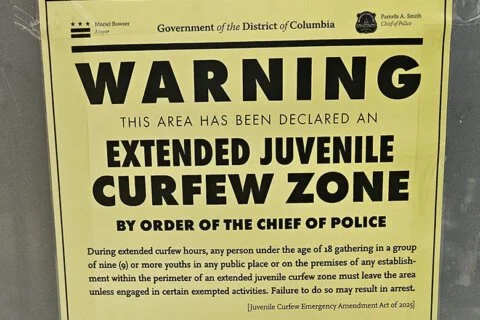
Muriel Bowser, the Mayor of Washington, D.C., says the push for a permanent juvenile curfew is not about race. Still, many local residents feel this claim is not sincere.
This policy fits with Bowser's recent focus on more control and surveillance, rather than real progress for the city. Washington, D.C., once called 'Chocolate City,' is now a place where Black children on the subway are often seen as threats and questioned right away by armed National Guard members.
Supporters of the curfew say it will 'clean up' the city, but it is not clear what problems the policy actually addresses since it mostly limits where teenagers can go. Research shows these curfews have not stopped crime. Washington, D.C. has had juvenile curfews for at least twenty years, and studies as early as 2003 found no real effect.
Critics of the policy suggest that the framing of “public safety” may mask deeper structural issues that contribute to youth involvement in crime, such as limited access to quality education, employment opportunities, and community resources. Rather than addressing these root causes, they contend, the curfew is seen as a reactive measure that may impact Black youth and continue patterns of heightened policing in the city.
Community advocates worry the curfew could be enforced unevenly. Even though the policy sounds neutral, how it is carried out might show hidden biases and lead to more police attention in certain neighborhoods or among certain groups. This could make the long-standing lack of trust between residents and police in Washington, D.C. even worse.
Supporters of the curfew, including city officials, maintain that the measure is a necessary response to recent increases in youth-involved crime. They argue that limiting late-night activity among minors can reduce opportunities for criminal behavior and improve overall public safety. Opponents, however, counter that such measures may only displace activity rather than prevent it, and may subject law-abiding teenagers to additional restrictions.
Ultimately, the debate over the juvenile curfew reflects a broader tension within the city: how to balance safety with equity. As Washington, D.C. continues to evolve, policymakers face increasing pressure to implement solutions that address both immediate concerns and long-term systemic challenges.
For many residents, then, the question is not whether public safety is important, but how it is pursued—and at whose expense.
